Greenhouse vs Cold Frame: Which Do You Need? (October 2026)
Choose a cold frame for a small, low shelter over seedlings and a greenhouse for room to stand, work and grow more plants. The greenhouse vs cold frame choice comes down to plant height, space and how often you need access.
On this page (9 sections)
- Greenhouse vs cold frame: which should you choose?
- How much growing space do you need?
- Which is easier to access and ventilate?
- Which structure suits seed starting?
- What should you consider for weather and placement?
- How do you set up and care for each one?
- What mistakes should you avoid?
- Which option fits your plants and routine?
- Greenhouse vs cold frame: which one is right for you?
Choose a cold frame for a small, low shelter over seedlings and a greenhouse for room to stand, work and grow more plants. The greenhouse vs cold frame choice depends on the space you have, the plants you want to protect and how often you need access.
A cold frame has a low cover that opens from above. A greenhouse provides a larger enclosed space, with some models tall enough to walk into.
That difference affects more than footprint. Think about plant height, ventilation, watering access and where the structure will sit before choosing one.
 Best for walk-in growing space
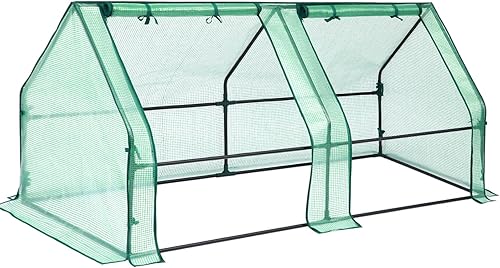
Eagle Peak 6x4 Pop-Up Greenhouse, Clear/Green
Greenhouse vs cold frame: which should you choose?
Choose a cold frame for a compact bed and a greenhouse for taller plants or frequent work inside. The best fit is the smallest structure that still gives your plants enough room and you enough access.
A cold frame sits low over plants or a planting area. You reach in from above, which works for watering and tending a few seedlings but can become awkward when you need to reach plants at the back or across a larger bed.
A greenhouse gives you more vertical and working space. The Eagle Peak 6x4 pop-up greenhouse is walk-in height, while the two cold frames here are about 16 in tall.
When does a cold frame make more sense?
A cold frame makes sense when you want to shelter a small group of seedlings, herbs or flowers close to the ground. Its low footprint suits a patio, balcony, porch or garden bed where a taller structure would take up too much room.
A cold frame can also be a better match when your growing routine is simple. If you only need to check a few plants, open the lid, water and close it again, a small cover may be enough.
Skip a cold frame if you expect to grow plants that quickly outgrow its low roof, or if you want to stand among containers and tend them from several sides. Reaching through a top opening can become tiring when you must move trays or harvest often.
The Giantex Wood Cold Frame measures 37 x 25 x 16 in, with clear panels and a hinged top. That low profile suits compact plants, but it doesn't provide room for tall crops or standing access.
When should you choose a greenhouse?
Choose a greenhouse when plants need more height or you want space for shelves, pots and regular care. A walk-in model can make watering and moving plants easier because you can reach them from inside.
A greenhouse also makes sense when you plan to use the growing space for more than one job over the season. You might start seedlings, move larger plants under cover, and keep supplies or trays nearby.
Skip a walk-in greenhouse if you have no suitable footprint, don't want to check ventilation, or only need to cover a few low plants. A larger enclosure adds space to manage, and the plants still need regular attention to airflow and temperature.
The Ohuhu portable greenhouse is 71 x 36 x 36 in and has two roll-up doors. It gives you more height than a cold frame, though it isn't tall enough for standing work.
How much growing space do you need?
A cold frame covers a small, low growing area; a greenhouse can hold more plants and taller containers. Compare the usable footprint with the plant height you expect, rather than looking only at the structure's name.
Start with the plants and containers, not the shelter. Measure trays, pots and the area your plants will occupy at their mature size, then allow room to reach in, water and remove any plant that needs attention.
The Outsunny cold frame measures 39.37 x 25.59 x 15.75 in. Its openable top gives access from above, while the low height limits what can grow inside.
A cold frame's compact size can be useful if you're protecting a small planting bed or a handful of pots. It will feel cramped if you treat the inside like a miniature greenhouse and keep adding trays without considering how you'll reach them.
A greenhouse can add room for shelves and larger pots. Sketch where each container will go, and leave a path or clear working area so you can tend plants without lifting others out of the way.
For a walk-in setup, consider how much room you need around the plants. Our guide to greenhouse shelves can help you plan storage and access inside a greenhouse.
Which is easier to access and ventilate?
A cold frame opens from the top, while a greenhouse may offer doors and windows for side access and airflow. The better layout depends on how often you tend plants and how much room they need.
A hinged cold-frame roof can make it easy to reach a small planting area. The Giantex frame's flip-top roof opens for ventilation and plant care, with side supports to hold it open while you work.
The Outsunny cold frame also has an openable top. Its tilted cover is designed to reduce rainwater collecting on it, and lifting the cover lets you reach plants from above.
A greenhouse door lets you step inside or reach plants from the side. The Eagle Peak has a zippered roll-up door and mesh windows, while the Ohuhu has two roll-up doors.
Ventilation takes regular attention in either kind of shelter. On a sunny day, a closed cover can trap heat, so check the plants and open the top, door or windows when more airflow is needed.
Think about how you will use the opening before buying. A lid is simple for a shallow bed, but a doorway is easier when you need to carry watering cans, shift pots or tend plants at the back.
Which structure suits seed starting?
A cold frame suits a small batch of low seedlings; a greenhouse suits seed starting when you need more room for trays and later growth. Consider the number of trays, your access and how quickly seedlings will outgrow the shelter.
A small cold frame can keep a few trays or young plants in one protected area. Its lid gives direct access, but frequent watering means you'll open and close it often.
A greenhouse offers more room to organize trays and move plants as they grow. That space can be useful when you're starting more than a few seedlings, but it also means you need to monitor airflow across a larger enclosure.
Don't choose only by the number of trays that fit on day one. Seedlings grow, and crowded trays are harder to water and check for problems.
Plan for the next stage, including where plants will go when they become too tall for a cold frame.
The Outsunny Wooden Polycarbonate Cold Frame has an openable top and a roughly 39 x 26 in footprint. It fits a modest seed-starting area when you want a low wooden frame.
Read our guide on how to start seeds in a greenhouse for planning and care steps.
What should you consider for weather and placement?
Place either structure where you can reach it and manage its exposure to wind, rain and sun. A small frame can be easier to position, but every cover needs checks as conditions change.
A cold frame's low shape works near a garden bed or patio, where you can open the lid without walking inside. The Outsunny frame's tilted top is intended to help prevent rainwater from collecting.
A portable greenhouse needs enough open area for access and anchoring. The Ohuhu includes ground stakes, and EAGLE PEAK advises clearing snow and reinforcing its pop-up greenhouse during storms.
Measure the footprint and the route to the site before setting up. Check that doors can open fully and that you can reach the structure to ventilate it, water plants and secure it as needed.
A sunny position can help plants receive light, but it can also make a covered space warm quickly. Pick a place where you can check conditions during the day and open the cover without moving other garden items first.
Our backyard greenhouse guide covers structure types, sizes and covers, while where to put a greenhouse helps you assess placement.
How do you set up and care for each one?
Set up a cold frame on a stable, reachable surface and place a greenhouse where you can secure and ventilate it. Good placement makes daily care easier and reduces the chance that a cover gets ignored.
Before assembling a wooden cold frame, choose the final spot and make sure the ground or patio can support it evenly. Follow the assembly instructions, place plants where you can reach them through the lid, and check that the top opens and stays supported before you begin using it.
For a portable greenhouse, clear the footprint and assemble or open the frame according to its instructions. Secure the structure with the included stakes where supplied, then check that the doors and windows open freely.
Make a simple daily routine: look at the plants, check whether the inside feels too warm or damp, and open the cover when airflow is needed. Close it again when the plants need shelter, and adjust as weather and growing conditions change.
Keep access clear so you don't have to skip watering or ventilation because the structure is awkward to reach. In a greenhouse, avoid filling every corner with pots; in a cold frame, leave enough room to lift the lid and tend the plants.
What mistakes should you avoid?
The most common mistake is buying for today's plant size instead of the space and routine you'll need later. Match the shelter to mature plant height, access and the time you can spend checking it.
Don't assume a cold frame is a small greenhouse. Its top opening and low roof work well for a focused group of low plants, but they don't provide standing room or space for tall crops.
Don't assume a portable greenhouse is maintenance-free because it's easy to set up. Its doors and windows still need to be opened for airflow, and a pop-up structure needs attention in strong wind or heavy snow.
Avoid placing either structure somewhere you can't reach easily. If you must move pots or step over obstacles just to open a lid, you'll be less likely to check plants consistently.
Finally, don't leave a closed enclosure unchecked on a bright day. Shelter can hold warmth, but conditions inside change with sun and weather, so use the openings and inspect plants regularly.
Which option fits your plants and routine?
Choose by plant height and how you'll tend the space: cold frames for low, limited plantings, greenhouses for more room and regular access. Your routine can matter as much as the number of plants.
If you only need a sheltered place for a few trays or herbs, a cold frame keeps the setup small. Its top opening works well when you can reach every plant from above.
If you expect plants to grow taller or want to move among several containers, choose a greenhouse with enough height and floor space. See what to grow in a backyard greenhouse for ideas that make use of the added room.
Greenhouse vs cold frame: which one is right for you?
Pick a cold frame if you need a low, compact cover for seedlings or herbs; pick a greenhouse if you need more height, capacity or access. Match the structure to your plants and the space you can maintain.
Choose a cold frame if you can tend plants from above and want a small sheltered growing area. Choose a greenhouse if you want room for taller plants or regular work inside.
For a middle ground, compare portable mini greenhouses with the larger structures in our greenhouse vs high tunnel guide. That comparison can help if you're weighing a compact greenhouse against a longer growing tunnel.
Frequently asked questions
Is a greenhouse better than a cold frame?
A greenhouse is better when you need room to move among taller plants, shelves or more containers. A cold frame is better for covering a small, low planting area with less space.
Choose by the plants you grow and the access you need, then check the structure's dimensions against your yard.
Can a cold frame replace a greenhouse?
A cold frame can cover seedlings, herbs and other low plants, but it can't provide the standing or walk-in room of a greenhouse. It can handle a focused growing job without taking up as much space.
If your plants need more height or you want to work inside, choose a greenhouse.
Can you use a cold frame in winter?
A cold frame can shelter plants in colder seasons, but it doesn't guarantee frost-free conditions. Sun, outdoor temperatures, ventilation and the plants themselves affect the space.
Check conditions inside, open the top when more airflow is needed, and protect plants according to their needs.
Do you need to ventilate a cold frame?
Yes, open the top when the inside needs more airflow or sunlight, then close it when you want the enclosure back in place. A clear, sunny day can warm a small covered space quickly.
Check plants and conditions rather than leaving the lid closed by habit.
Can you start seeds in a greenhouse or cold frame?
Both can shelter seedlings, but the right choice depends on scale and access. A cold frame suits a small group of low trays or plants, while a greenhouse can hold more containers and taller plants.
Our seed-starting guide explains how to plan the growing space.