Best Greenhouse Kits for Cold Climates: How to Choose
The best greenhouse kits for cold climates combine an aluminum frame with UV-protected polycarbonate panels and an adjustable roof vent. Pick a kit you can close tight against night frost, then add an exhaust fan and a thermostat-controlled heater to hold steady air.
On this page (11 sections)
- What makes a greenhouse kit suited to cold climates?
- Why polycarbonate panels beat film in a cold climate
- How much floor space do you need in a short growing season?
- Which HOOYEAH greenhouse kit fits your yard?
- How do you keep a cold-climate kit warm at night?
- How do you vent a kit without losing all your heat?
- Where should you place the kit on your property?
- What should you budget for beyond the kit itself?
- How do you handle snow, ice and winter storms?
- So which greenhouse kit should you buy for a cold climate?
- Pick the kit that fits your yard and your plants, then budget for a fan and a heater. The structure holds the warmth; the airflow and heat decide how much of the year you can grow.
The best greenhouse kits for cold climates pair an aluminum frame with UV-protected polycarbonate panels and an adjustable roof vent. That mix holds warmth at night and lets you dump heat on a bright, cold afternoon.
Start with the HOOYEAH 6 x 6 FT kit if you want a compact, quick-to-assemble structure. Step up to the 6 x 10 ft version when you need room for shelves and a walking path.
Plan for ventilation and heat from day one, because a closed kit in winter swings hard between frost and damp.
What makes a greenhouse kit suited to cold climates?
The kit that works in a cold climate is the one you can seal against night air and still vent by day. Panel type, frame material and vent control decide that, not the footprint alone.
Polycarbonate panels trap heat better than a single layer of film, and they shrug off hail and wind that shred soft covers. Aluminum frames resist rust and hold their shape when temperatures swing below freezing.
Look for a kit with a lockable door and at least one roof vent. A door that latches shut keeps cold drafts out, while the vent gives you a way to release humid air before it freezes on the inside of the panels.
Wind exposure matters as much as temperature. A kit placed behind a fence, wall or hedge gets less buffeting, and the maker of the HOOYEAH kits recommends a spot with partial wind protection.
Avoid a fully open position where gusts hit the panels broadside.
Finally, think about how the kit handles snow. A steep roof and a frame you can brace help, but no small kit is a snow shed.
Plan to clear the roof after heavy storms.
Pick a kit with twin-wall polycarbonate, an aluminum frame and a latchable vent, then plan heat and airflow as part of the build. A cheaper kit without those basics costs more once you patch it.
Why polycarbonate panels beat film in a cold climate
Polycarbonate is the right cover for a cold-climate kit because it insulates better than film and holds up to frost, wind and hail. The panels also diffuse light, which suits seedlings that stretch toward weak winter sun.
The HOOYEAH kits use semi-translucent, milky white polycarbonate that blocks harmful UV rays and spreads light evenly. That soft light is good for vegetables, herbs and flowers, though it means you cannot see straight through the panels like glass.
Double-wall or twin-wall panels trap a layer of air between two sheets, which slows heat loss on a frosty night. A single sheet still works, but it gives up warmth faster once the sun drops.
Polycarbonate also resists cracking when it gets cold. Film covers go brittle and tear in wind, and glass can shatter under snow load or a falling branch.
One trade-off: polycarbonate yellows over many years unless it carries UV protection. The HOOYEAH panels are UV-protected, so they should hold their clarity longer than untreated plastic.
Choose polycarbonate over film or glass for a cold climate, then clean the panels now and then so winter light gets through. Dirty panels cut light just when you need it most.
How much floor space do you need in a short growing season?
Buy more floor space than you think you need, because cold-climate gardeners keep plants inside for more weeks of the year. A kit that feels roomy in June can be cramped in November when every pot is still under cover.
A 6 x 6 ft kit suits a few raised beds, a shelf of seed trays and a spot to stand. The HOOYEAH 6 x 6 FT model measures about 71 in long, 72 in wide and 77 in high, so it fits a backyard corner without swallowing the yard.
The 6 x 10 ft HOOYEAH kit runs about 71 in long and 119 in wide at the same height. That extra width gives you room for a central path and shelves down both sides, which matters when you are moving plants in and out all season.
Height counts too. At roughly 77 in, both kits let most adults stand upright, and the ridge gives climbing crops some room to rise.
Measure your spot before you order. Leave space around the kit for doors to swing, for snow to be shoveled away and for you to work without brushing the panels.
Size for the plants you overwinter, not just the seedlings you start. A little extra width keeps the kit usable when the season stretches.
Which HOOYEAH greenhouse kit fits your yard?
Both HOOYEAH kits share the same frame and panel build, so the choice comes down to floor area. Pick the 6 x 6 ft for a compact yard and the 6 x 10 ft when you want room to work.
The 6 x 6 FT model is the easier one to tuck beside a fence or shed, where the structure gets some wind protection. Its single lockable door and one roof vent keep the build simple, and the semi-translucent panels soften harsh sun.
The 6 x 10 ft kit doubles the floor area without adding height. That makes it the better fit if you plan to overwinter pots, run shelves along both long sides or start a lot of seedlings in late winter.
Neither kit ships with heat or a fan. You add those, and the next sections cover how.
For a bigger structure, our guide to greenhouse kits large walk in covers the sizing and site questions that come with more floor area.
Pick the 6 x 6 ft for a few beds and a seed shelf; pick the 6 x 10 ft when you want to walk between rows of plants. Both need the same heat and airflow plan.
How do you keep a cold-climate kit warm at night?
You keep a kit warm by sealing drafts first, then adding controlled heat only as much as the plants need. Heat escapes through gaps faster than any small heater can replace it.
Start with the structure. Latch the door, close the vent at dusk and check that panels sit snug in their channels.
A kit that rattles in wind is losing warmth.
Then decide what you are protecting. Cold-hardy crops like kale and spinach tolerate light frost and may need no heat at all.
Tender plants, seedlings and anything you want to keep growing need a heat source once nights drop near freezing.
A small electric heater with a thermostat is the simplest option for a kit this size. Set it a few degrees above the temperature your plants tolerate, and let the thermostat cycle it on and off.
The VEVOR 1500W Greenhouse Heater with Thermostat has heating and fan modes, overheat shutoff and a portable handle. Its thermostat lets you set a target instead of running it flat out all night.
Seal the kit, then heat to a target temperature rather than a fixed output. For more thermostat options, see our roundup of greenhouse heaters with a thermostat.
How do you vent a kit without losing all your heat?
You vent a cold-climate kit briefly and deliberately, opening the roof vent or running a fan for short bursts rather than leaving the door wide. The goal is to swap humid air for drier air without chilling the plants.
A closed kit in low winter sun still heats up fast. Warm air holds moisture, and that moisture condenses on cold panels and drips onto leaves, which invites mold and rot.
Open the roof vent on mild afternoons and close it well before sunset so warmth stays in overnight. On very cold days, run a fan instead of opening up wide, so air moves without a rush of freezing outside air.
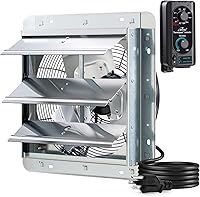
An exhaust fan pulls warm, damp air out and draws fresh air in through the vent. That is more controlled than propping the door open.
A greenhouse exhaust fan sized for the kit's volume moves air without dropping the temperature too far. Run it on a timer or a humidity controller so it cycles when the air gets stuffy.
Watch the panels on cold mornings. Heavy condensation means the kit is too sealed for its humidity level, and you need more air exchange.
Vent in short bursts and lean on a fan for steady air movement. Our guide to greenhouse humidity explains how to read the signs before mold takes hold.
Where should you place the kit on your property?
Place the kit where it gets morning sun and shelter from the worst wind. Those two factors do more for winter growing than most accessories.
A spot that catches early sun warms the kit after a cold night and melts frost off the panels. Afternoon sun is less valuable in a cold climate, and too much of it can overheat a sealed kit.
Shelter matters just as much. Put the kit behind a fence, wall, hedge or shed so gusts do not hit the panels broadside.
The HOOYEAH kits are best used with partial wind protection, and fully exposed spots with strong winds are the wrong home for them.
Keep the kit off low ground where cold air pools. Frost settles in dips and hollows, so a slightly higher, level spot stays warmer on the coldest nights.
Leave room to shovel snow away from the door and to clear the roof after a storm. A kit buried behind drifts is hard to reach when you need it.
Point the long side toward the winter sun if you can. That gives the plants more light through the short days.
Choose a level, sunny, sheltered spot and keep the kit clear of snow drifts. Good placement costs nothing and beats most upgrades.
What should you budget for beyond the kit itself?
Budget for airflow and heat as part of the project, not as extras you add later. Those two items decide whether the kit earns its space through winter.
An exhaust fan is the first add-on. It manages humidity and keeps air moving, which protects plants from mold on cold, closed-up days.
A fan with a thermostat or humidity control does the work for you.
A heater is the second. A small electric unit with a thermostat covers frost protection for a kit this size.
You only need more output if you plan to grow warm-season crops through hard winter.
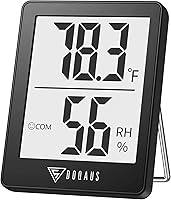
A thermometer and a humidity meter help you see what the kit is doing. Cheap and simple, they tell you when to vent and when to heat.
Think about shelving too. In a cold climate you stack plants vertically to use the floor space, so shelves along the walls free up the center for a path.
Skip gadgets you cannot justify. A kit with good panels, a latchable vent, a fan and a thermostat heater covers most cold-climate needs.
Plan for a fan, a thermostat heater and simple meters from the start. That spend matters more than a larger kit you cannot keep warm.
How do you handle snow, ice and winter storms?
Handle snow by clearing the roof after each storm and keeping the frame braced. A small kit carries only so much weight before panels sag or the frame bends.
Use a soft roof rake or a long-handled brush to pull snow off from the ground. Avoid climbing on the roof or striking the panels hard, since polycarbonate can crack under a sharp blow when cold.
Keep the reinforcement bar in place as the instructions describe. The HOOYEAH kits call for the bar to be installed for best performance, and it helps the frame carry load.
Clear snow away from the door and the base so you can get in and so meltwater drains away. Ice packed against the frame can work panels loose.
Check the panels after a freeze and thaw. Small cracks let water in, and water that refreezes widens them.
On icy mornings, do not force the door or vent. Let them free up rather than cracking hinges or latches.
Clear the roof early and often, and leave the bracing in place. Snow is the main structural risk for any small kit in a cold climate.
So which greenhouse kit should you buy for a cold climate?
Buy the HOOYEAH 6 x 6 FT Polycarbonate Greenhouse if you want a compact kit that seals well and fits a sheltered corner. It is the best kit here for most cold-climate gardeners, with an aluminum frame, UV-protected polycarbonate panels and an adjustable roof vent at a size you can heat.
Step up to the HOOYEAH 6 x 10 ft kit when you want a walking path, shelves on both sides and room to overwinter more pots. It uses the same frame and panel build with double the floor area.
Whichever kit you choose, add airflow and heat. Pair the roof vent with a greenhouse exhaust fan for humidity control, and add a greenhouse heater with a thermostat for frosty nights.
That combination is what turns greenhouse kits for cold climates into a growing space you can use well past the first frost.
Pick the kit that fits your yard and your plants, then budget for a fan and a heater. The structure holds the warmth; the airflow and heat decide how much of the year you can grow.
Frequently asked questions
Will a polycarbonate greenhouse kit survive a snowy winter?
Polycarbonate panels and an aluminum frame handle cold air well, but snow load is the real test. Clear snow off the roof after each storm and keep a support bar in place so the frame does not carry more than it should.
Do I need a heater in a cold-climate greenhouse?
You need one if you plan to grow through hard frost or keep tender plants alive past fall. A small thermostat-controlled electric heater set a few degrees above freezing protects plants without cooking them on mild days.
Is one roof vent enough for a small greenhouse?
One roof vent moves some air, but a closed kit heats fast in low winter sun. Pair the vent with an exhaust fan so warm, damp air leaves before it condenses on cold panels.
What size greenhouse kit should I buy for a short growing season?
Start with a 6 x 6 ft kit for a few beds and seed trays, or step up to a 6 x 10 ft model when you want room to walk between shelves. Extra floor space matters more in cold climates because plants spend more weeks indoors.
Can I grow vegetables all winter in an unheated kit?
You can grow cold-hardy crops like kale, spinach and lettuce in an unheated kit through mild frosts. Once nights drop well below freezing, add heat or accept that the kit extends fall and starts spring rather than growing through deep winter.