How to Control Humidity in a Greenhouse
Control greenhouse humidity by watering carefully, moving air through the plant canopy, and venting when outside conditions allow. A hygrometer helps you spot patterns before deciding whether better habits or an exhaust fan will help.
On this page (9 sections)
- How do you control humidity in a greenhouse?
- How can you measure greenhouse humidity?
- When should you ventilate a greenhouse?
- Does air circulation inside the greenhouse help?
- How can watering and plant layout keep humidity manageable?
- What should you do when humidity stays high?
- How do you control greenhouse humidity in cool weather?
- How do you choose a greenhouse humidity monitor or fan?
- How do you control greenhouse humidity over time?
Control greenhouse humidity by watering carefully, moving air through the plant canopy, and venting when outside conditions allow. A hygrometer helps you spot patterns before deciding whether better habits or an exhaust fan will help.
Water evaporates from soil, pots, leaves, and wet surfaces, so humidity can rise after watering or when air stays still. The goal is to avoid long periods of damp air and wet foliage while still giving plants the moisture they need.
How do you control humidity in a greenhouse?
Reduce avoidable moisture, keep air moving among plants, and ventilate when exchanging air makes sense. Make one change at a time, then check the readings and plants before adjusting again.
Water the root area instead of soaking leaves, and clear puddles from benches and floors. If you use trays, empty standing water once it has served its purpose.
Space pots so air can pass between leaves. Remove dead leaves and crowded growth as appropriate for each plant, and avoid packing containers tightly against each other or the greenhouse walls.
For help with ventilation and temperature in warm weather, see how to cool a greenhouse in summer heat. The right approach depends on the structure, its openings, and local weather.
How can you measure greenhouse humidity?
Use a hygrometer near the plants, out of direct sun and away from spray, damp soil, and vents. If you have distinct growing areas, compare readings in more than one spot.
A combined thermometer and hygrometer lets you see temperature alongside humidity. The DOQAUS Digital Hygrometer Thermometer suits growers who want a compact display and flexible placement: it has a stand, hanging hole, and magnet, plus an indicator for dry, comfortable, or wet air.
Choose the TempPro TP50 if you want to compare high and low readings over time. It records temperature and humidity extremes, has a tabletop stand and magnetic back, and refreshes readings every 10 seconds.
Both are simple monitors rather than ventilation controls. If you mainly want a quick reading, either can fit; if you need a fan to respond automatically to humidity, look at a controller-equipped exhaust fan instead.
Place a monitor where it reflects the conditions plants experience. A spot beside an open vent or in direct sun can give a reading that doesn't represent the growing area.
For temperature guidance, read what temperature a greenhouse should be. Temperature changes affect how you interpret humidity, so check both.
Where should you put a greenhouse humidity sensor?
Place the sensor around plant height in a representative growing area, with air space around it. Keep it away from irrigation spray, damp benches, and direct sun.
In a greenhouse with separate zones, take readings in more than one place. A crowded shelf can hold moisture differently from an open aisle.
When should you ventilate a greenhouse?
Ventilate when exchanging indoor air can reduce excess moisture without making conditions unsuitable for your plants. Open roof or side vents when practical, and use doors or windows to help air move through the structure.
Outside air isn't always drier. Check conditions and observe the greenhouse after opening vents; very humid incoming air or unsuitable temperatures can limit the benefit.
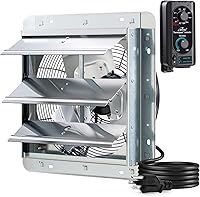
An exhaust fan helps when natural openings don't move enough air. The VEVOR 12-Inch Exhaust Fan has a temperature and humidity controller with up to 10 speed settings, so it suits growers who want triggered, adjustable exhaust and have a wall location for installation.
The iLiving 12-Inch Shutter Exhaust Fan suits a greenhouse where heat control and variable speed matter more than automatic humidity response. Its controller regulates temperature, so use a separate hygrometer to track humidity; skip it if your main need is a fan triggered by humidity.
Fan size and placement should match the greenhouse and its air openings. Compare greenhouse exhaust fans before choosing a setup.
Does air circulation inside the greenhouse help?
Yes, circulation helps move air through plant leaves and reduce stagnant pockets. A circulation fan moves greenhouse air around; an exhaust fan sends indoor air outside, so they solve different problems.
Aim airflow through the growing area without blasting delicate plants. Check behind dense foliage and under shelves, where air may stay still even if the aisle feels breezy.
Circulation doesn't remove the source of moisture by itself. Pair it with careful watering, clear drainage, and ventilation when outside conditions are suitable.
How can watering and plant layout keep humidity manageable?
Water according to plant needs and arrange pots so leaves and surfaces have room to dry. Don't give plants less water than they need just to chase a lower reading.
Water earlier in the day when it suits your routine and plants. That gives the growing area more time to dry before cooler evening conditions.
Keep paths clear and handle unhealthy plant material according to the needs of each crop. If leaves overlap and block airflow, move containers farther apart.
Our guide to what to grow in a backyard greenhouse can help you plan crops and space. For storage and airflow around containers, see greenhouse shelves that fit your space.
What should you do when humidity stays high?
Check for a steady moisture source or blocked airflow before buying more equipment. Look for standing water, wet floors, dense foliage, closed vents, and watering that leaves plants wet for long periods.
Compare readings at different times and locations. A short rise after watering is different from persistent dampness and condensation.
If natural ventilation is the weak point, improve the openings or choose an exhaust fan that suits the structure. A smaller seasonal shelter has different airflow needs from a rigid greenhouse; see walk-in tunnel greenhouses when comparing structures.
How do you control greenhouse humidity in cool weather?
Vent briefly when it won't expose plants to unsuitable cold or drafts. Water with care, keep drainage clear, and avoid trapping damp air for long stretches.
Cool air holds less moisture than warm air, but opening a greenhouse can also change its temperature quickly. Check both readings and follow the needs of the plants inside.
Don't close every opening to retain heat if moisture is building up. For heating choices and temperature planning, review greenhouse heaters with a thermostat.
How do you choose a greenhouse humidity monitor or fan?
Start with a monitor if you need to understand the pattern; choose an exhaust fan if ventilation is the part you need to change. The right tool depends on the greenhouse, the problem, and how much control you want.
The DOQAUS suits growers who want a small, easy-to-place monitor with a quick refresh and a simple air-condition indicator. Skip it if you need stored high and low readings or automatic fan control.
The TempPro TP50 is a better fit when comparing daily highs and lows will help you decide when to ventilate. Skip it if you need a sensor to control a fan, since its listed features are for monitoring.
The VEVOR suits a grower who wants exhaust to respond to both temperature and humidity, with adjustable speeds. Its 12 in wall-mounted design calls for a suitable installation spot, so skip it if you only need a portable reading or can't place a wall fan.
The iLiving suits a grower who wants variable-speed exhaust and temperature regulation. Skip it if humidity-triggered control is essential, and use a separate hygrometer to keep an eye on moisture.
How do you control greenhouse humidity over time?
Begin with a monitor and better watering habits, then add circulation or exhaust if damp conditions persist. Pick the DOQAUS for simple readings and flexible placement, the TempPro to compare high and low readings, the VEVOR for humidity-triggered exhaust, or the iLiving when temperature control is the main fan priority.
Place the monitor near the plants, adjust one thing at a time, and check readings as weather changes. For the next step, compare greenhouse exhaust fans with your openings and greenhouse size.
Frequently asked questions
What humidity should a greenhouse be?
There isn't one ideal humidity reading for every greenhouse. Plant type, growth stage, temperature, and outdoor weather all matter, so follow growing guidance for your plants and watch for persistent condensation or wet foliage.
Use a hygrometer to track changes and adjust watering or ventilation gradually.
How can I lower humidity in a greenhouse?
Water the root zone when plants can use the moisture, clear standing water, and improve airflow through the canopy. When outdoor conditions suit your plants, open vents or use an exhaust fan to exchange damp indoor air.
Recheck humidity after each change instead of making several large adjustments at once.
Does a greenhouse fan reduce humidity?
An exhaust fan can help remove moist air and bring in replacement air, but the result depends on outdoor humidity, vent placement, and greenhouse layout. Circulation inside also helps air move through the leaves.
A fan can't guarantee a target humidity, so monitor conditions and ventilate when incoming air can help.
Should I water greenhouse plants in the morning?
Morning watering often gives foliage and the growing area more time to dry before night, especially when you water the soil instead of the leaves. Plant needs and local conditions vary, so don't let pots dry out just to lower humidity.
Check moisture at the root zone and water as needed.