What Temperature Should a Greenhouse Be?
For many common plants, what temperature should a greenhouse be is answered by about 65°F to 75°F by day and 50°F to 60°F at night. Check your crops’ needs and track the warmest daytime reading and coldest overnight low.
On this page (8 sections)
- What temperature should a greenhouse be during the day?
- What temperature should a greenhouse be at night?
- How do you measure greenhouse temperatures accurately?
- How can you keep greenhouse temperature in range?
- Does greenhouse humidity change the temperature you need?
- What mistakes make greenhouse temperatures harder to manage?
- Which greenhouse temperature tool should you choose?
- What temperature should your greenhouse be for your plants?
For many common plants, what temperature should a greenhouse be is answered by about 65°F to 75°F by day and 50°F to 60°F at night. The right range depends on your crops, so track both the daytime high and overnight low before changing your setup.
A greenhouse temperature target is a working range, not one number to hold all day. Sun, ventilation, season, and crop stage affect conditions, and plants that share a greenhouse may have different needs.
What temperature should a greenhouse be during the day?
Aim for about 65°F to 75°F for many common garden plants, then adjust to the crops you grow. Seedlings, warm-season vegetables, and cool-season greens can need different conditions.
Measure near the plants, with the thermometer shaded from direct sun. A sunny wall or a spot above a heater may read warmer than the air around the leaves.
Small greenhouses can warm quickly once sunlight reaches the cover. Check during the brightest part of the day, and open vents or doors before the temperature climbs beyond the range your plants tolerate.
What temperature should a greenhouse be at night?
Many cool-season plants can manage nights around 50°F to 60°F, while warm-season crops may need more warmth. Check each crop's preferred minimum before deciding when to turn on a heater.
Greenhouses lose heat after sunset, so an evening reading may not show the coldest point. Use a thermometer with high and low records, or check near dawn to understand the overnight drop.
If you grow several types of plants, use the most cold-sensitive crop to set the minimum threshold. Group plants with similar needs where possible, so protecting one crop doesn't mean heating the entire space more than necessary.
How do you measure greenhouse temperatures accurately?
Place a thermometer near the plants, in shade, and away from doors, walls, and heaters. Keep it at a representative growing height and compare readings at different times of day.
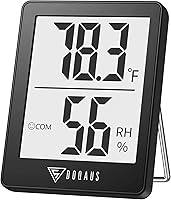
A high-low record helps you see the full daily swing between visits. The TempPro TP50 Digital Thermometer and Hygrometer records high and low temperature and humidity, refreshes readings every 10 seconds, and switches between Fahrenheit and Celsius.
The TP50 has a tabletop stand and magnetic back. Set it somewhere stable and easy to read, without reaching over plants or placing it beside a heat source.
Avoid a common measuring mistake: leaving the thermometer in direct sun and treating its reading as the air temperature. Check more than one location if the greenhouse has cold corners or areas close to a heater.
For more placement and display advice, see which greenhouse thermometer you should use.
How can you keep greenhouse temperature in range?
Release excess heat with ventilation, and add heat only when cold conditions threaten your plants. Start with vents and doors, then add a fan or heater if those steps don't keep readings within the range your crops need.
This order helps you choose equipment that solves the real problem. A heater won't prevent sunny-day overheating, and a fan alone can't push hot air outside if the greenhouse has no opening for it to escape.
How do you cool a greenhouse that's too hot?
Open vents and doors to let hot air escape, then add shade if strong sun keeps raising the temperature. Air movement helps when there is a path for warm air to leave.
Check the greenhouse through the hottest part of a sunny day rather than relying on one morning reading. Our guide on how to cool a greenhouse in summer heat explains shade, airflow, and ventilation steps.
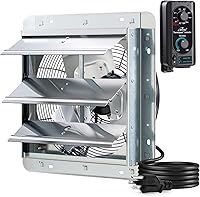
An exhaust fan can help move warm air out when natural ventilation isn't enough. Compare options in our guide to greenhouse exhaust fans.
If your main issue is summer heat, begin with ventilation and shade before adding heating equipment.
How do you control greenhouse heating?
Set the heating threshold from your plants' cold tolerance, then use a thermostat or temperature controller to manage compatible equipment. Keep the probe near the plants, away from the heater's direct warmth.
The Inkbird ITC308 Plug-In Temperature Controller lets you set temperature ranges and connect heating and cooling equipment to marked outlets. It has a probe and can display readings in Fahrenheit or Celsius.
Choose the Inkbird when you already have compatible equipment and want the controller to switch it as conditions change. Skip it if you need a heater itself, or if you only need to read the temperature.
Check that the connected equipment suits the controller's electrical requirements and follow its instructions.
For direct heat, the VEVOR 1500W Greenhouse Heater with Thermostat has heating and fan modes, two temperature settings, overheat shutoff, and a 25-degree adjustable angle. Its adjustable temperature range is 5°C to 42°C.
The VEVOR is a fit for a small greenhouse or grow area where a portable floor unit and fan mode are useful. Skip it if you need a precise digital thermostat range, or if your greenhouse conditions require equipment rated for outdoor use: this unit is specified for indoor use.
The Noarixa 1500W Greenhouse Heater with Thermostat offers adjustable temperatures from 41°F to 108°F, heat and fan modes, overheat shutoff, and IPX4 splash protection.
Choose the Noarixa if the adjustable range and splash-protected design fit your space. Its stated heating coverage is up to 160 sq ft, but actual performance depends on enclosure conditions, so don't assume one unit will hold a target temperature in every greenhouse.
Set either heater on a stable, level floor with clear space around it, and keep cords away from water. Follow the heater's operating instructions.
A thermostat controls heat, but you still need to check readings and confirm the unit can maintain your target during the coldest conditions.
Does greenhouse humidity change the temperature you need?
Humidity doesn't set the temperature target; your crops do. Track both readings because warm, damp air can be a sign that the greenhouse needs better airflow.
The TP50 combines temperature and humidity readings, which can help you notice whether both rise together. Use that information to decide whether to ventilate or water differently.
You can also adjust heating. Our guide to controlling humidity in a greenhouse covers airflow and moisture management.
Avoid trying to solve a humidity problem by raising or lowering the temperature without checking what is driving the moisture. Ventilation, watering habits, plant spacing, and weather can all affect conditions.
What mistakes make greenhouse temperatures harder to manage?
The most common mistakes are measuring in the wrong place, reacting to one reading, and heating without a crop-based threshold. A few routine checks make temperature decisions more reliable.
- Don't rely on outdoor weather. Sunlight can make a greenhouse much hotter than the air outside, while the structure may cool quickly overnight.
- Don't use a sunlit reading as the air temperature. Shade the thermometer and place it near the plants.
- Don't check only at midday. The overnight low may be the condition that limits a sensitive crop.
- Don't point a heater's probe at its outlet. It may respond to the heater's local warmth instead of the growing area.
- Don't heat and cool against each other. Set a clear range and make sure ventilation isn't undoing the heater's work.
If a greenhouse has distinct warm and cool zones, take readings in more than one place before moving plants or changing the thermostat. That can reveal whether you need a different equipment position or a change in airflow.
Which greenhouse temperature tool should you choose?
Choose a thermometer to understand conditions, a controller to switch compatible equipment, or a thermostatic heater when you need heat. The right choice depends on what your readings show and what your greenhouse lacks.
Choose the TempPro TP50 if you want a simple local display with high and low temperature and humidity records. Skip it if you need a controller that switches equipment, because it measures conditions rather than operating a heater.
Choose the Inkbird ITC308 if you already have compatible heating or cooling equipment and want probe-based temperature control. Skip it if you need a complete heating unit or only need to monitor conditions.
Choose the VEVOR heater if a portable indoor-rated unit with heat and fan modes fits your space. Choose the Noarixa heater if you want an adjustable range, fan-only mode, and IPX4 splash protection.
Skip either heater if ventilation is the real problem, or if your greenhouse setup is unsuitable for an electric floor heater.
What temperature should your greenhouse be for your plants?
Set your target from the crops you grow, then check both the daytime high and overnight low near the plants. Use 65°F to 75°F by day and 50°F to 60°F at night as a general starting range for many common plants, not a universal rule.
Choose the TP50 to track temperature and humidity, the Inkbird to control compatible equipment, and a thermostatic heater if cold readings show you need added warmth. If daytime heat is the issue, read how to cool a greenhouse in summer heat next; if you need better monitoring, compare greenhouse thermometers.
Frequently asked questions
What is the ideal temperature for a greenhouse?
There isn't one ideal temperature for every greenhouse plant. Many common vegetables grow well around 65°F to 75°F during the day, while cooler nights can suit cool-season crops.
Check each crop's needs and growth stage.
Measure near the plants and track both daytime peaks and overnight lows.
How warm should a greenhouse be at night?
A night range around 50°F to 60°F suits many cool-season crops, while warm-season plants may need warmer conditions. Use the lowest temperature your plants can tolerate as the heating threshold, and account for the greenhouse's overnight lows.
Group plants with similar temperature needs when possible.
Can a greenhouse get too hot?
Yes. A closed greenhouse can heat up quickly in direct sun, even when outdoor air feels mild.
Watch the temperature around the plants and open vents or doors as needed.
Use shade or an exhaust fan if ventilation alone can't keep conditions in range.
Where should I put a thermometer in a greenhouse?
Place a thermometer near the plants, out of direct sun and away from a heater, door, or cold wall. These spots can give readings that don't match the air around most leaves.
Check highs during the warmest part of the day and lows before dawn.