How to Cool a Greenhouse in Summer Heat
To cool a greenhouse, open vents, exhaust hot air, and add shade where direct sun is strongest. Check temperatures at plant height and adjust the setup before heat builds.
On this page (7 sections)
- How do you cool a greenhouse during a heat wave?
- How can you improve greenhouse airflow?
- Should you use shade cloth or open vents first?
- Can an automatic vent opener help prevent overheating?
- Where should you place a greenhouse thermometer?
- What mistakes make greenhouse cooling less effective?
- Which greenhouse cooling setup should you choose?
To cool a greenhouse, open vents, move hot air out with an exhaust fan, and shade the sunniest areas. These steps answer how to cool a greenhouse by reducing trapped heat and direct sun; check temperatures near your plants and make changes before heat builds.
Start with the structure’s openings. Open roof and side vents, and create a route for cooler air to enter low down while warm air leaves higher up.
If that airflow does not keep temperatures in a suitable range, add mechanical exhaust or shade. A thermometer helps you see which change is making a difference.
How do you cool a greenhouse during a heat wave?
Vent early, exhaust hot air, and shade the areas receiving the strongest sun. Begin before the greenhouse reaches its hottest point, since waiting until plants are already struggling gives the structure less time to shed heat.
Open doors and vents in the morning when outdoor conditions allow. A high outlet lets warm air escape, while a lower opening gives replacement air a path into the growing space.
Shade reduces direct sun on plants and the greenhouse. Apply it where and when heat is strongest, and consider the light needs of your crops before covering a large area.
The Shade&Beyond cloth suits gardeners who need a broad shade panel they can attach to a frame or other support. Its 90% sun block is substantial, so it’s a better fit for a particularly bright area or heat-sensitive plants than for covering every crop by default.
The cloth is mocha-colored and made from breathable HDPE, with grommets along the edges. Secure it evenly so wind does not pull on one point, and check that it does not obstruct vents or rub against the greenhouse cover.
For help choosing a cover that affects how much sunlight enters, see our guide to polycarbonate greenhouse panels. Shade and ventilation work together, but each solves a different part of the heat problem.
How can you improve greenhouse airflow?
Give air a clear route in through a lower opening and out through a higher one. Open vents on opposite sides when possible, and keep shelves, pots, and dense foliage from blocking them.
Warm air rises, so roof vents can release heat while side vents or a door admit outside air. On a still day, those openings may not move enough air; an exhaust fan can help draw it through.
Check the greenhouse layout before choosing a fan. A fan needs an intake opening, enough room for air to travel, and a suitable place to mount it.
How to cool a greenhouse with an exhaust fan
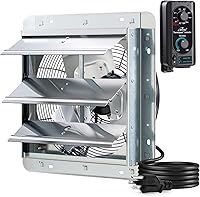
An exhaust fan helps when open vents alone do not move enough hot air. It needs a suitable outlet and a clear intake path so it can pull air through the structure.
The iLiving shutter fan is a wall-mounted choice for gardeners who want temperature control and adjustable speed. It moves 960 CFM, and its controller regulates temperature and fan speed; automatic shutters open and close with operation.
Choose this option when you have a suitable wall location and can meet its electrical installation requirements. Skip it if you need a window-mounted fan or cannot safely arrange the required installation.
Before mounting, plan where air will enter and which crops or benches sit in the airflow path. Follow the fan’s instructions, and have electrical work handled safely.
For more options, compare greenhouse exhaust fans. You can also use our guide to greenhouse temperature targets to set a goal for your plants.
Can a variable-speed fan help with heat and humidity?
A variable-speed fan gives you more control as heat and humidity change. It still needs an intake opening and correct installation to ventilate the greenhouse.
The VEVOR wall-mounted fan moves 1500 CFM and has up to 10 speed settings. Its controller uses temperature and humidity triggers, while the shutters open when powered and close when the fan is off.
This model suits a greenhouse where you want automatic adjustments as conditions change and can support a wall-mounted setup. Skip it if your structure has no appropriate mounting surface or if a simpler ventilation method meets your needs.
A higher airflow rating alone does not determine how well a fan will ventilate your greenhouse. Consider the structure, its intake and outlet openings, and the installation instructions before choosing.
Should you use shade cloth or open vents first?
Open vents first, then add shade if direct sun keeps the greenhouse too hot. Ventilation moves trapped warm air out; shade reduces the sunlight that adds heat.
Try temporary shade over the hottest side or roof section, then watch the temperature and plant response. Secure it so it cannot flap into vents or chafe the greenhouse cover.
If you grow in a walk-in tunnel, see our guide to setting up a walk-in greenhouse. Planning the openings and shade at setup makes it easier to keep a usable airflow path later.
How to cool a greenhouse with the right amount of shade
Use enough shade to reduce heat without depriving your plants of needed light. The right coverage depends on the crop, the time of day, and how hot the greenhouse gets after ventilation improves.
The Shade&Beyond cloth blocks 90% of the sun, so it may be too much for light-hungry crops across a whole roof. Start with a smaller area, observe the plants, and expand coverage only if heat remains a problem.
Avoid fastening shade where it will block an intake or outlet. Check the ties and grommets after windy weather, since loose material can pull unevenly or rub against the cover.
Can an automatic vent opener help prevent overheating?
An automatic vent opener can open a window as the greenhouse warms, without requiring you to operate it by hand. It works best alongside enough vent area and an intake path for air to move through.
The BIBISTORE solar opener suits a greenhouse window or vent weighing up to 15.4 lb, with an opening distance of about 18 in. Its opening temperature adjusts from 59°F to 73.4°F, and the window is fully open at 95°F or above.
Choose it if your vent fits the weight and opening limits and you want temperature-responsive operation without a motorized fan. Skip it if your greenhouse has no compatible window or if passive opening cannot move enough air for the space.
Measure the vent and check its weight before fitting the opener. The unit uses two springs and aluminum and stainless steel parts; follow the installation instructions, lubricate moving parts as directed, and remove the cylinder when the vent should remain closed.
Where should you place a greenhouse thermometer?
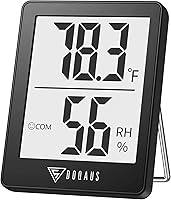
Place a thermometer near the plants, away from direct sun and fan outlets. That location gives you a more useful reading of the conditions your crops experience.
A thermometer in direct sunlight can read warmer than the surrounding air. Check it during the hottest hours and note whether opening vents, adding shade, or changing fan speed affects the reading.
See which greenhouse thermometer to use for help monitoring temperature. If cooling changes also affect moisture levels, read how to control greenhouse humidity.
What mistakes make greenhouse cooling less effective?
Do not rely on shade alone, a closed greenhouse, or a fan without an intake opening. Each can leave heat trapped or restrict the airflow plants need.
Keep vents clear of pots, shelves, and hanging covers. Secure doors and shade cloth before windy weather, and follow installation instructions for fans and electrical connections.
Watering is part of normal plant care, but it does not replace lowering air temperature. Avoid spraying electrical equipment or allowing standing water to collect around outlets and fan wiring.
Which greenhouse cooling setup should you choose?
Start with open vents and a clear airflow path, then choose an add-on to address the main source of heat. If moving air is the problem, use an exhaust fan; if direct sun is the problem, add targeted shade.
Choose the iLiving fan for wall-mounted exhaust with a thermostat and speed control. Choose the VEVOR when adjustable speeds and temperature and humidity triggers suit your setup.
Pick the BIBISTORE opener for a compatible vent within its weight limit, or the Shade&Beyond cloth when substantial sun reduction fits the plants.
For a larger plan, start with the backyard greenhouse guide and match the structure, ventilation, and cover to your growing space.
Frequently asked questions
How do I cool a greenhouse quickly?
Open roof and side vents, then use an exhaust fan to push hot air outside while cooler air enters through a lower opening. Add temporary shade over the sunniest side if direct sun is driving the temperature up.
Keep checking a thermometer at plant height so you can see whether the changes are helping.
Should I leave greenhouse doors open in summer?
Open doors can improve airflow when the greenhouse is attended and the opening is secure. A door alone may not move enough air through a long or tightly covered structure, so pair it with roof or side vents and an exhaust fan when needed.
Close or secure openings before wind or storms.
Does shade cloth cool a greenhouse?
Shade cloth reduces direct sun reaching plants and can lower heat buildup, especially when placed outside the greenhouse cover. It does not replace ventilation, and heavy shade can limit light for crops that need full sun.
Choose coverage based on the plants and the hottest part of your day.
Where should a greenhouse exhaust fan go?
An exhaust fan is commonly placed high on one end or wall so it can pull warmer air out, with a lower opening on the opposite side for replacement air. Follow the fan and greenhouse instructions for mounting, wiring, and clearances.
The right size depends on the structure and its ventilation needs.